

Date Posted: May 22, 2025
Mediation professionals need websites that do more than just share information. They must turn visitors into clients.
A well-designed mediation website can make a strong first impression. It encourages potential clients to take the next step.
When visitors land on a mediation website, they quickly decide if it feels trustworthy, clear, and helpful. Knowing which website elements help build that trust is key for any mediation practice looking to grow its client base.
1) Clear and Prominent Call-To-Action Buttons Guiding Clients to Book Mediation Sessions

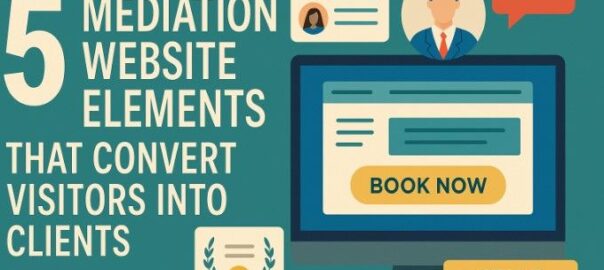
A mediation website needs clear and easy-to-find Call-to-Action (CTA) buttons. These buttons guide visitors to book a session or contact the mediator.
Placing CTAs like “Book Your Session” or “Schedule a Consultation” at the top of the page helps visitors know what to do next.
A strong CTA stands out in both design and wording. It makes it easy for users to take action.
People are more likely to follow through when buttons use simple language and direct instructions. A button saying “Book Now” or “Start Mediation” avoids confusion and saves time.
Making the CTA button a different color from the rest of the page helps it get noticed. This approach draws attention and reduces guesswork.
800Commerce builds clean, responsive mediation websites that turn first impressions into scheduled sessions. From layout to CTA design, we handle it all. Are you ready to improve your site’s performance? Contact us today.
2) Client Testimonials Highlighting Successful Mediation Outcomes
Client testimonials are a key part of building trust on a mediation website. Visitors want to see that real people have gone through the same process and found positive outcomes.
Testimonials share honest feedback about past experiences. This makes new visitors feel more confident in reaching out.
Short quotes or stories from past clients help show the impact of mediation. Testimonials work best when they mention specific results, like resolving a dispute quickly or improving communication.
Placing testimonials in a dedicated section or scattering quotes across the website works well. Featuring names, photos, or even video clips adds authenticity.
Potential clients can read or see these reviews to get a sense of what to expect, which helps them feel more comfortable moving forward.
Showcasing successful mediation stories is one of the best strategies to display testimonials. This element can turn someone from a site visitor into an actual client.
3) Professional and Approachable Mediator Profiles with Credentials
Visitors want to know who they’ll be working with. Professional mediator profiles help build trust and set expectations before the first contact.
A clear profile photo makes the mediator seem more approachable and relatable. Including a short biography with work experience and personal interests helps the mediator stand out.
Listing relevant qualifications, certifications, and training gives visitors confidence in the mediator’s skills. Details like years of experience, education, and areas of expertise show real value.
Profiles should avoid technical jargon. Simple language lets potential clients understand the mediator’s experience and role.
Visitors are more likely to read profiles when they are easy to find. Placing profiles on the homepage or about page can increase engagement and trust.
Your mediator profile and service pages won’t convert if no one finds them. 800Commerce offers targeted SEO for mediation firms to increase local visibility. Want more leads without ads? Schedule a strategy call.
4) Concise Explanation of Mediation Services and Process Benefits
A mediation website should give a clear explanation of what mediation services are. Mediation is a process where an unbiased third party helps people solve conflicts without going to court.
This simple description helps visitors understand if these services meet their needs. Explaining the main benefits of mediation builds trust.
Mediation is often faster and more cost-effective than litigation. Visitors appreciate that it prevents long legal battles and high costs.
Mediation gives parties more control over the outcome than a judge’s decision. The process is more private, and information stays confidential.
People can also save time since mediation usually ends sooner than court cases. Websites can list these benefits in a clear, bullet-point format or as short statements.
This makes the information easy to read. Moreover, describing the process and its advantages in simple terms makes the service more approachable.
This helps visitors feel more comfortable reaching out for help.
5) Live Chat Feature for Instant Visitor Engagement and Questions
A live chat feature lets visitors ask questions in real time. It helps answer concerns right away and can make potential clients feel supported.
This quick help can stop people from leaving the website just because they are confused. Many people prefer chatting over calling or emailing because it’s fast and easy.
Visitors can get answers about services, costs, or mediation in just a few minutes. Live chat can also guide visitors to the right page or resource.
This level of support can make a big difference in building trust. According to experts, adding live chat can increase the chance that visitors become clients.
A chat window should be easy to find but not intrusive. The chat agents should be friendly and professional. When visitors get quick help, they’re more likely to take the next step.
Understanding the Psychology of Conversion
Effective mediation websites use proven strategies to gain a visitor’s trust. They guide people toward becoming clients.
The role of psychology in website design focuses on visual appeal, credibility, and prompts that motivate people to take specific actions.
Building Trust Through Design
First impressions can decide whether a visitor stays or leaves. Sites with clean layouts, calming colors, and clear organization signal professionalism and care.
To create a sense of safety and reliability, designers choose consistent branding, display mediator credentials, and add real testimonials.
- Displaying certifications and awards
- Featuring client reviews and testimonials
- Using professional photos of the mediators
Easy-to-read contact details and privacy policies also matter. Simple, intuitive navigation helps users feel in control.
Avoiding clutter and using plenty of white space helps visitors focus.
Encouraging Action with Clear Calls-to-Action
To convert visitors into clients, mediation sites need easy-to-find and understand calls to action (CTAs).
CTAs like “Schedule a Consultation” or “Contact a Mediator” should stand out on the page and use direct, reassuring language.
- Placing CTAs above the fold
- Making buttons large and high-contrast
- Using action words (e.g., Book Now, Get Started)
Too many requests or form fields can overwhelm users. Simple, specific CTAs make the next steps obvious and inviting.
For more on user behavior and conversion, see the psychology of website conversion optimization.
Your Google Business profile is often the first thing clients see. 800Commerce optimizes it to match your website’s messaging and improve local trust. Let’s get your profile working harder—contact us to begin.
Frequently Asked Questions
What are the essential features a mediation website should have?
Effective mediation websites include clear call-to-action buttons, client testimonials, professional mediator bios, simple service descriptions, and a live chat feature to answer user questions in real time.
How does website design impact mediation client conversions?
Clean layouts, mobile responsiveness, fast load times, and visually distinct CTA buttons help reduce bounce rates and increase user engagement, leading to more booked consultations.
What content builds credibility on a mediation website?
Client testimonials, detailed mediator profiles with credentials, transparent service explanations, and privacy policies help establish trust and professionalism with prospective clients.
Which CTA strategies work best for converting mediation clients?
Use action-based CTAs like “Book a Session” or “Schedule a Free Consultation,” positioned at the top of the page and after key content. Test different wording and button colors to improve results.
Why is mobile responsiveness crucial for mediation websites?
A mobile-friendly website ensures fast loading, easy navigation, and readable content on all devices, boosting mobile users’ engagement and conversion rates.
What user experience (UX) best practices increase conversions?
Fast page speed, intuitive navigation, live chat, and well-placed contact forms create a frictionless experience. Breaking content into sections with clear headings improves readability and engagement.
How can visuals improve a mediation website’s performance?
Professional photos, calming color palettes, and trust-building graphics enhance user confidence. Visual cues like arrow icons or button hover effects guide visitors toward taking action.